What is infection?
What are 4 types of infection?
How do we treat infection?
What damage can infection cause?
Does infection affect infertility?
Infection Is A disease caused by microorganisms that invade tissue.
Infectious diseases can be viral, bacterial, parasitic or fungal infections. There’s also a rare group of infectious diseases known as transmissible spongiform encephalopathies (TSEs).
Viral infections. Viruses are a piece of information (DNA or RNA) inside of a protective shell (capsid). Viruses are much smaller than your cells and have no way to reproduce on their own. They get inside your cells and use your cells’ machinery to make copies of themselves.
Bacterial infections. Bacteria are single-celled organisms with their instructions written on a small piece of DNA. Bacteria are all around us, including inside of our body and on our skin. Many bacteria are harmless or even helpful, but certain bacteria release toxins that can make you sick.
Fungal infections. Like bacteria, there are many different fungi. They live on and in your body. When your fungi get overgrown or when harmful fungi get into your body through your mouth, your nose or a cut in your skin, you can get sick.
Parasitic infections. Parasites use the bodies of other organisms to live and reproduce. Parasites include worms (helminths) and some single-celled organisms (protozoa).

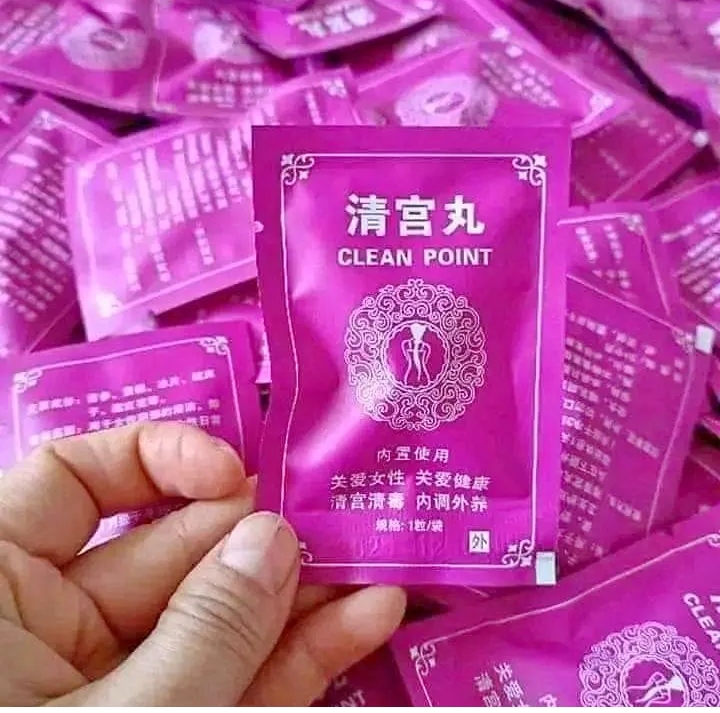
The pearls are marketed as a natural, holistic ways to cleanse or detox your vagina or uterus of “toxins,” negative emotions, past sexual partners, and hormonal imbalances. They’re also said to help with heavy periods, endometriosis, yeast infections, and bacterial vaginosis.

 peggi health blog